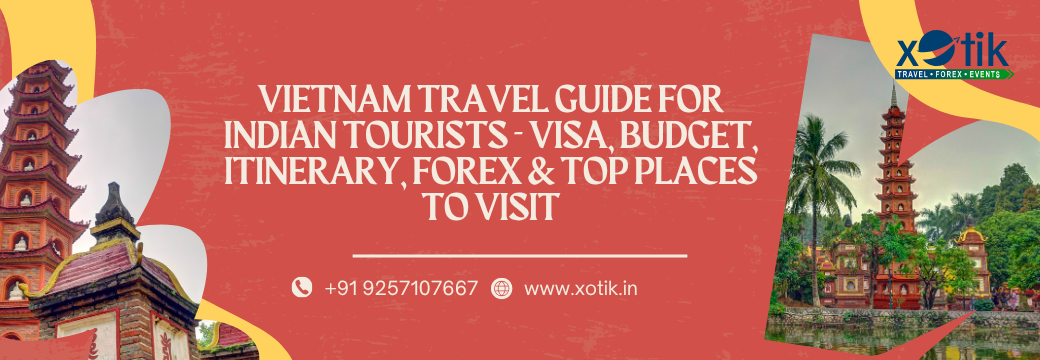
Vietnam: A Destination That Offers More Than Just Beautiful Landscapes
Vietnam has rapidly become one of the most sought-after international destinations for Indian travellers, offering a unique combination of natural beauty, cultural heritage, modern cities, and affordable travel experiences. Stretching over 1,600 kilometres along the eastern coast of Southeast Asia, the country is incredibly diverse. From limestone islands rising out of emerald waters in Halong Bay to lantern-lit streets in Hoi An and bustling markets in Ho Chi Minh City, every region offers something distinctly different.
Unlike destinations that focus on a single type of holiday, Vietnam appeals to a wide range of travellers. Couples are drawn to its romantic cruises and beach resorts, families appreciate its mix of cultural attractions and theme parks, backpackers enjoy its affordability, while food enthusiasts travel specifically to experience authentic Vietnamese cuisine.
For Indian travellers, Vietnam is particularly attractive because of its relatively short flight duration, improving air connectivity, straightforward visa process, favourable exchange rates, and excellent value for money. Whether you’re planning your first international holiday or looking for a destination beyond the usual choices of Thailand, Dubai, or Singapore, Vietnam offers an experience that is both accessible and memorable.
Why Vietnam Has Become One of the Fastest-Growing International Destinations for Indians
Over the last few years, Vietnam has witnessed a significant increase in visitors from India. Improved flight connectivity, competitive travel costs, simplified visa procedures, and growing awareness through social media have made it one of the most popular international holiday choices.
Several factors contribute to its growing popularity.
Affordable International Holidays
Compared with many international destinations, Vietnam offers excellent value across accommodation, dining, transportation, and sightseeing. Travellers can often enjoy premium experiences at prices that are considerably lower than those in several other Asian destinations.
This affordability allows families, honeymooners, and first-time international travellers to experience luxury hotels, scenic cruises, and cultural attractions without significantly increasing their travel budget.
Easy Connectivity from India
Major Indian cities now offer convenient flight connections to Vietnam, making travel easier than ever before. Cities such as Delhi, Mumbai, Bengaluru, Chennai, Kolkata, Ahmedabad, and Hyderabad have regular flights—either direct or with short layovers—to key Vietnamese destinations.
Popular arrival airports include:
- Hanoi (Noi Bai International Airport)
- Ho Chi Minh City (Tan Son Nhat International Airport)
- Da Nang International Airport
The availability of multiple entry points allows travellers to plan flexible itineraries covering different regions of the country.
Rich Diversity Within One Country
One of Vietnam’s greatest strengths is the variety of experiences available within a single trip.
A traveller can:
- Cruise through the limestone islands of Halong Bay.
- Trek through rice terraces in Sapa.
- Explore imperial history in Hue.
- Relax on the beaches of Da Nang.
- Wander through Hoi An’s UNESCO-listed Old Town.
- Experience modern city life in Ho Chi Minh City.
- Discover floating markets in the Mekong Delta.
- Unwind on the tropical island of Phu Quoc.
Few destinations offer such diverse landscapes, cultures, and experiences within relatively short travel distances.
A Destination for Every Type of Traveller
Vietnam is not designed for only one style of tourism. Different regions appeal to different travellers.
| Traveller Type |
Why Vietnam Is a Great Choice |
| Families |
Theme parks, beaches, cultural attractions, cruises |
| Couples |
Romantic resorts, island escapes, luxury cruises |
| Solo Travellers |
Affordable hostels, safe cities, backpacker routes |
| Adventure Lovers |
Trekking, caves, mountain villages, motorbike routes |
| Food Enthusiasts |
Street food, cafés, regional cuisine |
| Luxury Travellers |
Five-star resorts, wellness retreats, private cruises |
| Budget Travellers |
Affordable hotels, transport, and dining |
This flexibility makes Vietnam suitable for both first-time international travellers and experienced explorers.
Understanding Vietnam’s Geography
Understanding Vietnam’s geography helps travellers plan a better itinerary. Although the country appears narrow on the map, it stretches over a considerable distance from north to south. As a result, weather conditions, landscapes, cuisine, and travel experiences vary significantly between regions.
Instead of treating Vietnam as one destination, it is helpful to think of it as three distinct travel regions.
North Vietnam – History, Mountains & Natural Wonders
North Vietnam combines historic cities, dramatic mountain landscapes, and some of the country’s most famous natural attractions.
Key destinations include:
- Hanoi
- Halong Bay
- Ninh Binh
- Sapa
- Ha Giang
This region is ideal for travellers interested in:
- Heritage
- Trekking
- Mountain scenery
- Cruises
- Local ethnic cultures
- Photography
Central Vietnam – Beaches, Heritage & Relaxation
Central Vietnam offers a balance of cultural heritage and coastal beauty.
Popular destinations include:
Travellers choose this region for:
- Beaches
- Ancient architecture
- UNESCO World Heritage Sites
- Family holidays
- Luxury resorts
- Golf courses
- Food experiences
South Vietnam – Modern Cities & Tropical Escapes
South Vietnam provides a different perspective on the country, combining modern urban life with river systems and tropical islands.
Major destinations include:
- Ho Chi Minh City
- Mekong Delta
- Phu Quoc
Highlights include:
- Modern shopping
- Nightlife
- Historical museums
- Floating markets
- Island holidays
- Water activities
Which Region of Vietnam Should You Visit?
Choosing the right region depends on your travel style, available time, and interests.
| Region |
Best For |
Suggested Duration |
| North Vietnam |
Nature, mountains, cruises, heritage |
4–6 days |
| Central Vietnam |
Beaches, culture, relaxation |
3–5 days |
| South Vietnam |
City life, islands, history |
3–5 days |
If you have 7–10 days, you can comfortably combine two regions. For a 10–14 day itinerary, exploring all three regions provides a well-rounded experience of Vietnam.
Best Time to Visit Vietnam
Unlike many destinations that experience similar weather nationwide, Vietnam has different climate patterns across its regions. Understanding these variations helps travellers choose the most suitable destinations based on the season.
Spring (March to April)
Spring offers pleasant temperatures across much of Vietnam and is considered one of the best times for sightseeing, outdoor activities, and cultural exploration. Blooming flowers and comfortable weather make it ideal for first-time visitors.
Best for: Hanoi, Halong Bay, Ninh Binh, Hoi An, Da Nang.
Summer (May to August)
Summer brings warmer temperatures and varying rainfall depending on the region. While parts of the north and south experience occasional showers, many coastal destinations remain popular for beach holidays.
Best for: Da Nang, Phu Quoc, Nha Trang, Hoi An.
Autumn (September to November)
Autumn is widely regarded as one of the most pleasant seasons for travelling across Vietnam. The weather is generally cooler, humidity decreases in many areas, and sightseeing becomes more comfortable.
Best for: Hanoi, Sapa, Ninh Binh, Halong Bay.
Winter (December to February)
Winter offers cooler conditions in the north while southern Vietnam remains warm and tropical. This contrast allows travellers to choose between mountain landscapes and beach holidays.
Best for: Ho Chi Minh City, Mekong Delta, Phu Quoc, Da Nang.
Vietnam at a Glance
| Feature |
Information |
| Capital |
Hanoi |
| Largest City |
Ho Chi Minh City |
| Currency |
Vietnamese Dong (VND) |
| Official Language |
Vietnamese |
| Time Zone |
GMT +7 |
| Country Code |
+84 |
| Popular Tourist Regions |
North, Central, South Vietnam |
| Famous For |
Halong Bay, Hoi An, street food, coffee, beaches, history |
Why This Guide Is Different
Planning an international trip involves much more than deciding which attractions to visit. Indian travellers often have practical questions about visas, flights, foreign exchange, travel insurance, local transportation, mobile connectivity, budgeting, and payment methods before they finalise their plans.
The following sections are designed to answer those questions step by step. Rather than presenting Vietnam as a collection of tourist attractions, this guide walks you through the complete journey—from preparing for departure in India to navigating Vietnam confidently and making the most of your holiday.
Planning Your Vietnam Trip from India
Planning an international holiday becomes much easier when every essential requirement is organised before departure. Once you’ve chosen Vietnam as your destination, the next step is preparing for the practical aspects of your journey—from visas and flights to foreign exchange, travel insurance, internet connectivity, and local transportation.
Although Vietnam is considered one of the easiest international destinations for Indian travellers, spending time on these preparations can help you avoid unnecessary stress after arrival.
This section covers everything you need to know before boarding your flight.
Vietnam Visa for Indian Citizens
One of the first questions most travellers ask is whether Indian passport holders require a visa to enter Vietnam.
Indian citizens generally need a valid visa before travelling to Vietnam. The exact visa process, eligibility, permitted duration of stay, entry conditions, and documentation requirements may change over time based on Vietnamese immigration policies.
Before applying, always verify the latest requirements through the official Vietnamese immigration authorities or seek guidance from an experienced visa assistance provider.
Documents Commonly Required
Although requirements may vary depending on the visa category, travellers are commonly asked to provide:
- A valid passport with sufficient validity.
- Passport-size photographs (if required).
- Completed visa application.
- Confirmed travel itinerary.
- Accommodation details.
- Supporting travel documents, where applicable.
Applying well before your planned departure date helps avoid last-minute delays.
Need assistance with your Vietnam visa? Xotik helps travellers with visa guidance and documentation support, making the application process simpler and more convenient.
Flights from India to Vietnam
Vietnam is well connected to India through several international airlines. Depending on your departure city, you may find direct flights or convenient one-stop connections.
Travellers commonly depart from:
- Delhi
- Mumbai
- Bengaluru
- Chennai
- Hyderabad
- Kolkata
- Ahmedabad
The most popular arrival airports include:
Hanoi (Noi Bai International Airport)
Ideal if you’re exploring:
- Hanoi
- Halong Bay
- Ninh Binh
- Sapa
Da Nang International Airport
Perfect for travellers visiting:
Ho Chi Minh City (Tan Son Nhat International Airport)
Recommended for:
- Ho Chi Minh City
- Mekong Delta
- Phu Quoc
Choosing the airport closest to your planned itinerary reduces travel time and makes your holiday more efficient.
How Much Does a Vietnam Trip Cost from India?
One of the reasons Vietnam has become so popular among Indian travellers is its affordability. Whether you’re travelling on a budget or planning a luxury holiday, the country offers a wide range of accommodation, dining, and sightseeing options.
The overall cost depends on factors such as:
- Travel season
- Flight prices
- Duration of stay
- Choice of hotels
- Cities included
- Activities and tours
- Shopping preferences
Estimated Budget Per Person
| Travel Style |
Approximate Budget (5–7 Days) |
| Budget |
₹45,000–₹65,000 |
| Mid-range |
₹70,000–₹1,10,000 |
| Luxury |
₹1,25,000+ |
These estimates are indicative and may vary depending on airfare, exchange rates, and personal travel preferences.
Currency in Vietnam
The official currency of Vietnam is the Vietnamese Dong (VND).
Travellers will notice that prices are displayed in thousands or even millions of Dong because of the currency’s denomination structure. This is completely normal and becomes easy to understand after a short time.
For example:
| Vietnamese Dong |
Approximate Value |
| 10,000 VND |
Small purchases |
| 50,000 VND |
Snacks or local transport |
| 100,000 VND |
Meals at many restaurants |
| 500,000 VND |
Hotels, shopping, or larger expenses |
Understanding common denominations before travelling makes everyday transactions much easier.
Cash, Forex Card or Credit Card – What Should You Carry?
Managing money wisely is an important part of international travel. Rather than relying on a single payment method, many experienced travellers use a combination of cash and digital payment options.
Cash
Useful for:
- Local markets
- Street food
- Small cafés
- Local taxis
- Rural destinations
Forex Card
A Forex Card can be a convenient option for international travel as it allows travellers to load foreign currency before departure, helping manage travel expenses more efficiently.
Benefits may include:
- Reduced dependence on cash.
- Better control over travel spending.
- Wide acceptance at many merchants and ATMs where supported.
- Added convenience compared with carrying large amounts of currency.
Always confirm supported currencies, applicable fees, and acceptance before travel.
International Debit or Credit Cards
Cards are commonly accepted at:
- Hotels
- Shopping malls
- Large restaurants
- International retail stores
However, smaller businesses and local markets may prefer cash.
Carrying a combination of payment methods provides greater flexibility throughout your journey.
Why Planning Your Forex Before Departure Matters
Many travellers leave currency exchange until they reach the airport or their destination. This often limits available options and may not provide the most convenient experience.
Planning your foreign exchange before departure allows you to:
- Estimate your travel budget.
- Organise spending in advance.
- Avoid carrying excessive cash.
- Prepare for immediate expenses after arrival, such as airport transfers or meals.
As an RBI Authorised Dealer Category II, Xotik provides foreign exchange services, Forex Cards, and travel-related financial solutions for Indian travellers heading overseas.
Should You Buy Vietnamese Dong in India?
Many travellers wonder whether they should obtain Vietnamese Dong before departure or exchange currency after reaching Vietnam.
The most suitable approach depends on factors such as exchange rate availability, travel itinerary, arrival time, and expected initial expenses.
Regardless of the option you choose, it is advisable to have access to local currency immediately after arrival for transportation, food, or emergency requirements.
Planning your foreign exchange in advance helps ensure a smoother start to your trip.
Travel Insurance for Vietnam
Unexpected situations such as medical emergencies, baggage delays, or trip interruptions can occur during international travel. Travel insurance provides financial protection against certain unforeseen events, subject to the terms and coverage of the policy.
When selecting a travel insurance plan, consider:
- Medical coverage.
- Trip cancellation benefits.
- Lost baggage protection.
- Personal accident cover.
- Emergency assistance services.
Review the policy carefully to understand inclusions, exclusions, and claim procedures before purchasing.
Mobile SIM Cards & Internet in Vietnam
Reliable internet access makes travelling easier by supporting navigation, communication, digital payments, and online bookings.
Travellers generally have three options:
International Roaming
Suitable for short trips but may involve higher charges depending on your mobile operator.
Local SIM Card
Available at airports, convenience stores, and authorised retailers after arrival.
eSIM
Many compatible smartphones support eSIM technology, allowing travellers to activate a mobile data plan digitally before or after reaching Vietnam.
Choose the option that best suits your travel duration, device compatibility, and expected data usage.
Getting Around Vietnam
Vietnam has a well-developed transport network connecting major cities and tourist destinations.
Domestic Flights
Recommended for long-distance travel between regions, particularly when visiting both northern and southern Vietnam.
Trains
Suitable for travellers who wish to enjoy scenic journeys between major cities.
Sleeper Buses
A popular and economical option for overnight travel across longer distances.
Ride-Hailing Apps
Services such as Grab are widely used in major cities for convenient transportation. Always confirm your pickup location and fare within the app before starting your journey.
Taxis
Licensed taxis remain readily available in most urban areas. Choosing reputable operators and ensuring the meter is used can help avoid misunderstandings.
Pre-Departure Checklist
Before leaving India, make sure you have:
✓ Passport
✓ Valid Visa
✓ Flight Tickets
✓ Hotel Confirmations
✓ Travel Insurance
✓ Foreign Exchange / Forex Card
✓ Emergency Contacts
✓ Mobile Connectivity Plan
✓ Copies of Important Documents
✓ Sufficient Local Currency for Initial Expenses
Completing this checklist before departure helps reduce last-minute stress and allows you to focus on enjoying your Vietnam holiday.
Top Places to Visit in Vietnam
Vietnam is not a destination that can be fully experienced by visiting just one city. Each region has its own geography, climate, cuisine, history, and attractions, making every part of the country feel distinct.
For first-time Indian travellers, the best way to explore Vietnam is by understanding its three major regions—North, Central, and South Vietnam. This approach not only helps in planning a practical itinerary but also allows you to experience the country’s cultural and natural diversity without unnecessary travel.
Whether you’re interested in UNESCO World Heritage Sites, mountain landscapes, tropical beaches, vibrant cities, or local food, Vietnam offers experiences that cater to every type of traveller.
North Vietnam – History, Mountains & Natural Wonders
Northern Vietnam is often considered the country’s cultural and historical heart. It combines centuries-old architecture, bustling markets, mountain villages, limestone landscapes, and some of Southeast Asia’s most spectacular natural scenery.
This region is ideal for travellers who enjoy heritage, photography, nature, trekking, and authentic local culture.
Hanoi – Vietnam’s Timeless Capital
Why Visit Hanoi?
Hanoi is the capital of Vietnam and one of Southeast Asia’s oldest continuously inhabited cities. It blends French colonial architecture, ancient temples, bustling street markets, peaceful lakes, and a vibrant café culture into a destination that offers something for almost every traveller.
Unlike many modern capitals, Hanoi has retained much of its traditional character. Walking through the Old Quarter feels like stepping into a city where history and everyday life exist side by side.
For Indian travellers, Hanoi is often the starting point of a Vietnam itinerary because of its international airport and convenient access to many of North Vietnam’s famous attractions.
Top Attractions
Hoan Kiem Lake
Located in the centre of Hanoi, Hoan Kiem Lake is one of the city’s most recognisable landmarks. Early mornings attract walkers, local residents practising Tai Chi, and visitors enjoying the peaceful atmosphere.
Old Quarter
The Old Quarter is famous for its narrow streets, traditional architecture, cafés, local markets, and street food vendors.
It is one of the best places to experience everyday Vietnamese life.
Temple of Literature
Originally built in 1070, this historic complex is dedicated to Confucius and is regarded as Vietnam’s first national university.
Ho Chi Minh Mausoleum
One of Vietnam’s most significant historical landmarks, this memorial attracts visitors interested in the country’s modern history.
Train Street
Known for its narrow railway passing between cafés and residential buildings, Train Street has become one of Hanoi’s most photographed attractions.
Visitors should always follow local safety guidelines and access restrictions.
Experiences You Shouldn’t Miss
- Watching sunrise at Hoan Kiem Lake.
- Exploring the Old Quarter on foot.
- Trying authentic Vietnamese street food.
- Visiting traditional cafés serving Egg Coffee.
- Shopping at Dong Xuan Market.
- Watching a traditional Water Puppet Show.
Local Food to Try
Hanoi is widely regarded as one of Vietnam’s best food destinations.
Popular dishes include:
- Pho
- Bun Cha
- Egg Coffee
- Banh Mi
- Spring Rolls
- Sticky Rice
Vegetarian restaurants are increasingly available in tourist areas.
Best Time to Visit Hanoi
The most pleasant weather is generally experienced during spring (March to April) and autumn (September to November), when temperatures are comfortable for sightseeing.
Ideal Duration
2–3 Days
Approximate Daily Budget
| Travel Style |
Estimated Daily Cost |
| Budget |
₹3,000–₹5,000 |
| Mid-range |
₹6,000–₹10,000 |
| Luxury |
₹12,000+ |
Who Should Visit?
✔ First-time Visitors
✔ Families
✔ Couples
✔ Food Lovers
✔ History Enthusiasts
✔ Solo Travellers
Halong Bay – Vietnam’s UNESCO Natural Wonder
Why Visit Halong Bay?
Recognised as a UNESCO World Heritage Site, Halong Bay is one of Vietnam’s most iconic destinations. Thousands of limestone islands rise dramatically from emerald-green waters, creating one of the world’s most distinctive coastal landscapes.
Most visitors explore the bay through overnight cruises, allowing time to experience the scenery, caves, floating fishing villages, and sunset views.
For many travellers, Halong Bay becomes the highlight of their Vietnam holiday.
Top Attractions
Limestone Karsts
The towering limestone formations are the defining feature of Halong Bay and have been shaped over millions of years.
Sung Sot Cave
Also known as Surprise Cave, it is one of the largest and most visited caves in the bay.
Ti Top Island
Offers panoramic viewpoints and opportunities to relax on a sandy beach.
Floating Fishing Villages
These traditional communities provide insight into the region’s maritime culture.
Experiences You Shouldn’t Miss
- Overnight luxury cruise.
- Kayaking through limestone formations.
- Sunset on the cruise deck.
- Morning Tai Chi sessions.
- Seafood dining onboard.
- Exploring caves by boat.
Local Food
Fresh seafood dominates the local cuisine.
Popular dishes include:
- Grilled squid
- Prawns
- Clams
- Vietnamese seafood hotpot
Vegetarian meals are generally available on most cruises with prior notice.
Best Time to Visit
October to April generally offers pleasant weather for cruising.
Ideal Duration
2 Days / 1 Night
Budget
| Cruise Type |
Approximate Cost |
| Budget |
₹8,000–₹12,000 |
| Mid-range |
₹15,000–₹25,000 |
| Luxury |
₹30,000+ |
Who Should Visit?
✔ Honeymoon Couples
✔ Families
✔ Luxury Travellers
✔ Nature Lovers
✔ Photographers
Ninh Binh – Vietnam’s Hidden Natural Paradise
Why Visit Ninh Binh?
Often referred to as “Halong Bay on Land,” Ninh Binh is characterised by limestone mountains, winding rivers, rice fields, and ancient temples. While it receives fewer international visitors than Halong Bay, many experienced travellers consider it one of Vietnam’s most rewarding destinations.
Its peaceful countryside and scenic boat rides make it an excellent choice for those seeking a slower pace.
Top Attractions
- Trang An Landscape Complex (UNESCO World Heritage Site)
- Tam Coc
- Bai Dinh Pagoda
- Mua Cave Viewpoint
- Bich Dong Pagoda
Experiences You Shouldn’t Miss
- Traditional sampan boat ride through limestone caves.
- Cycling through rice fields and villages.
- Climbing Mua Cave Viewpoint for panoramic views.
- Visiting ancient temples and pagodas.
Local Food to Try
- Goat Meat Specialties
- Crispy Rice (Com Chay)
- Fresh River Fish
- Local Rice Noodles
Best Time to Visit
March to May and September to November.
Ideal Duration
2 Days
Approximate Daily Budget
| Travel Style |
Estimated Daily Cost |
| Budget |
₹3,000–₹5,000 |
| Mid-range |
₹6,000–₹9,000 |
| Luxury |
₹10,000+ |
Who Should Visit?
✔ Nature Lovers
✔ Couples
✔ Photography Enthusiasts
✔ Families
Sapa – Vietnam’s Mountain Escape
Why Visit Sapa?
Located in the Hoang Lien Son mountain range near the Chinese border, Sapa is famous for its terraced rice fields, cool climate, mountain villages, and ethnic minority communities.
Unlike Vietnam’s bustling cities, Sapa offers dramatic mountain scenery and outdoor experiences that appeal to trekkers, photographers, and travellers seeking a quieter side of the country.
Top Attractions
- Fansipan Mountain
- Muong Hoa Valley
- Cat Cat Village
- Cable Car to Fansipan
- Local Ethnic Markets
Experiences You Shouldn’t Miss
- Trekking through rice terraces.
- Visiting Hmong villages.
- Riding the Fansipan cable car.
- Shopping for handmade textiles.
- Watching sunrise over the mountains.
Local Food to Try
- Hot Pot
- Bamboo Rice
- Grilled Meats
- Mountain Herbs
- Sticky Rice
Best Time to Visit
March to May and September to November.
Ideal Duration
2–3 Days
Approximate Daily Budget
| Travel Style |
Estimated Daily Cost |
| Budget |
₹3,500–₹5,500 |
| Mid-range |
₹6,000–₹10,000 |
| Luxury |
₹12,000+ |
Who Should Visit?
✔ Adventure Travellers
✔ Nature Lovers
✔ Couples
✔ Photography Enthusiasts
✔ Trekking Enthusiasts
Why North Vietnam Should Be Part of Your Itinerary
North Vietnam offers an exceptional combination of history, culture, natural beauty, and outdoor experiences. From the historic streets of Hanoi and the world-famous limestone islands of Halong Bay to the peaceful countryside of Ninh Binh and the mountain landscapes of Sapa, this region showcases many of the experiences that have made Vietnam one of Asia’s fastest-growing tourist destinations.
For most first-time Indian travellers, North Vietnam forms the foundation of a well-balanced itinerary and provides an excellent introduction to the country’s heritage, cuisine, and natural wonders.
Central Vietnam – Beaches, Heritage & Coastal Luxury
Central Vietnam is where the country’s rich cultural heritage meets its stunning coastline. Unlike the mountainous landscapes of the north or the fast-paced cities of the south, this region offers a balanced mix of pristine beaches, UNESCO World Heritage Sites, imperial history, luxury resorts, and vibrant local cuisine.
For Indian travellers, Central Vietnam is particularly appealing because destinations are located relatively close to one another. This allows visitors to explore multiple cities without spending excessive time travelling.
Whether you’re planning a honeymoon, family holiday, luxury vacation, or cultural exploration, Central Vietnam provides some of the country’s most memorable experiences.
Da Nang – Vietnam’s Modern Coastal Paradise
Why Visit Da Nang?
Da Nang is one of Vietnam’s fastest-growing tourist destinations and is often considered the country’s most balanced city. It combines beautiful beaches, modern infrastructure, luxury resorts, mountain viewpoints, amusement parks, and easy access to nearby UNESCO heritage sites.
Unlike larger metropolitan cities, Da Nang offers a relaxed atmosphere while still providing world-class hotels, shopping centres, and excellent dining options.
Its international airport also makes it one of the easiest destinations to include in a Vietnam itinerary.
Top Attractions
Ba Na Hills
Located in the mountains west of Da Nang, Ba Na Hills is one of Vietnam’s most visited attractions. Visitors can enjoy panoramic mountain views, European-inspired architecture, gardens, cable car rides, and entertainment complexes.
Golden Bridge
Perhaps Vietnam’s most photographed landmark, the Golden Bridge appears to be held up by two giant stone hands rising from the mountains. It has become an international symbol of modern Vietnamese tourism.
My Khe Beach
Frequently listed among Asia’s finest beaches, My Khe Beach offers soft white sand, calm waters, beachfront cafés, and luxury resorts.
Marble Mountains
These limestone hills feature caves, temples, pagodas, and scenic viewpoints overlooking Da Nang’s coastline.
Dragon Bridge
One of Da Nang’s iconic landmarks, Dragon Bridge becomes particularly lively during evening light displays and weekend fire-and-water performances.
Experiences You Shouldn’t Miss
- Riding the cable car to Ba Na Hills.
- Walking across the Golden Bridge.
- Watching sunset at My Khe Beach.
- Exploring caves inside Marble Mountains.
- Enjoying seafood dinners along the coastline.
- Taking a night cruise on the Han River.
Local Food to Try
Da Nang’s cuisine reflects both coastal and central Vietnamese influences.
Popular dishes include:
- Mi Quang
- Banh Xeo
- Bun Cha Ca
- Fresh Seafood
- Vietnamese Iced Coffee
Vegetarian restaurants are increasingly common throughout the city.
Best Time to Visit
February to August generally offers warm, sunny weather, making it ideal for beaches and sightseeing.
Ideal Duration
2–3 Days
Approximate Daily Budget
| Travel Style |
Estimated Daily Cost |
| Budget |
₹3,500–₹5,500 |
| Mid-range |
₹7,000–₹11,000 |
| Luxury |
₹13,000+ |
Who Should Visit?
✔ Families
✔ Honeymoon Couples
✔ Beach Lovers
✔ Luxury Travellers
✔ First-time Visitors
Hoi An – Vietnam’s UNESCO Heritage Gem
Why Visit Hoi An?
Located less than an hour from Da Nang, Hoi An is one of Vietnam’s most charming destinations. Recognised as a UNESCO World Heritage Site, the town is known for its beautifully preserved architecture, lantern-lined streets, riverside cafés, traditional markets, and cultural heritage.
Unlike many historic towns that function primarily as museums, Hoi An remains a vibrant community where ancient buildings house restaurants, tailor shops, art galleries, and family-run businesses.
Its relaxed atmosphere makes it one of Vietnam’s most romantic destinations.
Top Attractions
Hoi An Ancient Town
A beautifully preserved trading port featuring centuries-old architecture influenced by Vietnamese, Chinese, Japanese, and European cultures.
Japanese Covered Bridge
One of Hoi An’s most recognisable landmarks and an important symbol of the town’s multicultural history.
Lantern Streets
As evening approaches, thousands of colourful lanterns illuminate the streets, creating one of Vietnam’s most photographed scenes.
Thu Bon River
Traditional boat rides along the river provide a peaceful way to experience the town’s beauty, especially after sunset.
An Bang Beach
Located a short distance from the Old Town, this beach offers a quieter alternative to the city’s historic centre.
Experiences You Shouldn’t Miss
- Walking through the Ancient Town after sunset.
- Releasing floating lanterns on the river (where permitted and in line with local regulations).
- Visiting traditional tailor shops.
- Participating in a Vietnamese cooking class.
- Exploring local markets by bicycle.
Local Food to Try
Hoi An is famous for several regional dishes.
Don’t miss:
- Cao Lau
- White Rose Dumplings
- Banh Mi
- Com Ga
- Vietnamese Coffee
Best Time to Visit
February to April offers pleasant weather and comfortable sightseeing conditions.
Ideal Duration
2 Days
Approximate Daily Budget
| Travel Style |
Estimated Daily Cost |
| Budget |
₹3,000–₹5,000 |
| Mid-range |
₹6,000–₹10,000 |
| Luxury |
₹12,000+ |
Who Should Visit?
✔ Couples
✔ Families
✔ Photographers
✔ Cultural Travellers
✔ Food Lovers
Hue – Vietnam’s Imperial Heritage City
Why Visit Hue?
Situated along the Perfume River, Hue served as Vietnam’s imperial capital during the Nguyen Dynasty. Today, it remains one of the country’s most significant cultural destinations, offering grand palaces, ancient temples, royal tombs, and historic architecture that reflect Vietnam’s royal past.
For travellers interested in history and heritage, Hue provides a deeper understanding of Vietnam beyond its beaches and modern cities.
Top Attractions
Imperial City (Citadel)
A UNESCO World Heritage Site, the Imperial City contains palaces, temples, gates, courtyards, and ceremonial buildings that once formed the centre of royal administration.
Thien Mu Pagoda
Overlooking the Perfume River, this historic pagoda is one of Vietnam’s oldest and most respected religious landmarks.
Royal Tombs
The elaborate tombs of Nguyen emperors showcase impressive architecture, landscaped gardens, and traditional Vietnamese design.
Perfume River
Boat cruises along the river offer a relaxing way to explore Hue’s historical attractions.
Experiences You Shouldn’t Miss
- Exploring the Imperial City.
- Visiting the royal tombs.
- Taking a dragon boat cruise on the Perfume River.
- Watching traditional Vietnamese cultural performances.
- Sampling Hue’s royal cuisine.
Local Food to Try
Hue is renowned for its refined culinary traditions.
Popular dishes include:
- Bun Bo Hue
- Banh Beo
- Nem Lui
- Banh Khoai
- Sesame Candy
Best Time to Visit
January to April generally provides pleasant weather for sightseeing.
Ideal Duration
1–2 Days
Approximate Daily Budget
| Travel Style |
Estimated Daily Cost |
| Budget |
₹3,000–₹5,000 |
| Mid-range |
₹6,000–₹9,000 |
| Luxury |
₹11,000+ |
Who Should Visit?
✔ History Enthusiasts
✔ Families
✔ Cultural Travellers
✔ Educational Groups
Suggested 5-Day Central Vietnam Itinerary
If your trip focuses exclusively on Central Vietnam, this itinerary provides a balanced mix of sightseeing, relaxation, and cultural experiences.
Day 1
- Arrive in Da Nang
- Visit Dragon Bridge
- Explore My Khe Beach
- Han River Cruise
Day 2
- Full-day excursion to Ba Na Hills
- Walk across the Golden Bridge
- Cable car experience
Day 3
- Transfer to Hoi An
- Explore the Ancient Town
- Japanese Covered Bridge
- Lantern-lit evening walk
- Riverside dinner
Day 4
- Visit An Bang Beach
- Vietnamese cooking class or cycling tour
- Travel to Hue
Day 5
- Imperial City
- Thien Mu Pagoda
- Royal Tombs
- Departure
Why Central Vietnam Is Perfect for First-Time Visitors
Central Vietnam offers one of the most complete travel experiences in Southeast Asia. Within a relatively small geographic area, visitors can enjoy award-winning beaches, UNESCO World Heritage Sites, mountain attractions, luxury resorts, historic architecture, vibrant local cuisine, and rich cultural traditions.
For Indian travellers looking to combine relaxation with sightseeing, this region provides an excellent balance. Whether it’s walking across the iconic Golden Bridge in Da Nang, admiring the lantern-lit streets of Hoi An, or exploring the imperial history of Hue, Central Vietnam delivers experiences that appeal to couples, families, photographers, and culture enthusiasts alike.
South Vietnam – Modern Cities, River Life & Tropical Islands
South Vietnam presents a different side of the country compared to the historic north and the heritage-rich central region. It is characterised by vibrant metropolitan cities, French colonial architecture, wartime history, fertile river deltas, tropical islands, and year-round warm weather.
This region is ideal for travellers who enjoy city experiences, shopping, nightlife, historical attractions, island holidays, and water-based activities.
Whether you are visiting Vietnam for culture, leisure, or relaxation, South Vietnam offers a combination of modern conveniences and authentic local experiences.
Ho Chi Minh City – Vietnam’s Dynamic Economic Hub
Why Visit Ho Chi Minh City?
Formerly known as Saigon, Ho Chi Minh City is Vietnam’s largest city and commercial centre. It is a destination where modern skyscrapers stand alongside colonial-era buildings, bustling street markets, historic landmarks, and vibrant nightlife.
For many Indian travellers, Ho Chi Minh City serves as either the starting or ending point of their Vietnam itinerary due to its excellent international flight connectivity and diverse range of attractions.
Unlike Hanoi’s traditional atmosphere, Ho Chi Minh City is energetic, fast-paced, and cosmopolitan, making it ideal for travellers who enjoy urban exploration.
Top Attractions
Independence Palace
A significant historical landmark that played an important role in Vietnam’s modern history. Visitors can explore preserved meeting rooms, underground bunkers, and historical exhibits.
Notre-Dame Cathedral of Saigon
Built during the French colonial period, this iconic cathedral remains one of the city’s most recognised architectural landmarks.
Saigon Central Post Office
Designed during the colonial era, this beautifully preserved building combines French architecture with Vietnamese heritage.
Ben Thanh Market
One of Vietnam’s most famous markets, Ben Thanh offers everything from local handicrafts and souvenirs to clothing, coffee, spices, and street food.
Nguyen Hue Walking Street
A lively pedestrian boulevard surrounded by cafés, restaurants, shopping centres, and entertainment venues, especially vibrant in the evenings.
Experiences You Shouldn’t Miss
- Exploring Ben Thanh Market.
- Visiting rooftop cafés overlooking the city skyline.
- Watching the city come alive along Nguyen Hue Walking Street.
- Sampling authentic Vietnamese street food.
- Enjoying a Saigon River dinner cruise.
- Experiencing the city’s nightlife.
Local Food to Try
Ho Chi Minh City is one of Vietnam’s best culinary destinations.
Popular dishes include:
- Pho
- Banh Mi
- Goi Cuon (Fresh Spring Rolls)
- Com Tam
- Hu Tieu
- Vietnamese Iced Coffee
Vegetarian and Indian restaurants are widely available across the city.
Best Time to Visit
December to April generally offers drier weather and pleasant sightseeing conditions.
Ideal Duration
2–3 Days
Approximate Daily Budget
| Travel Style |
Estimated Daily Cost |
| Budget |
₹3,500–₹5,500 |
| Mid-range |
₹7,000–₹11,000 |
| Luxury |
₹13,000+ |
Who Should Visit?
✔ Families
✔ Couples
✔ Solo Travellers
✔ Shopping Enthusiasts
✔ Food Lovers
✔ First-Time Visitors
Cu Chi Tunnels – Discover Vietnam’s Wartime History
Why Visit the Cu Chi Tunnels?
Located around 70 kilometres from Ho Chi Minh City, the Cu Chi Tunnels offer one of Vietnam’s most significant historical experiences. This vast underground network was used during the Vietnam War and provides insight into the country’s resilience, engineering, and military history.
Today, parts of the tunnel system have been preserved for visitors, allowing travellers to understand how people lived, worked, and defended themselves underground during wartime.
Top Experiences
- Explore sections of the preserved tunnel network.
- Visit historical exhibits and museums.
- Learn about wartime survival techniques.
- Watch documentary presentations.
- Experience guided tours with historical context.
Ideal Duration
Half-day trip from Ho Chi Minh City.
Who Should Visit?
✔ History Enthusiasts
✔ Students
✔ Educational Groups
✔ Cultural Travellers
Mekong Delta – Vietnam’s River Kingdom
Why Visit the Mekong Delta?
The Mekong Delta is one of Southeast Asia’s most fertile agricultural regions, where life revolves around rivers, canals, floating markets, orchards, and traditional villages. Unlike Vietnam’s busy cities, the delta offers a slower pace and an opportunity to experience rural Vietnamese culture.
The region is famous for its floating markets, coconut groves, rice paddies, and boat journeys through narrow waterways.
Top Attractions
Cai Rang Floating Market
One of Vietnam’s largest and most vibrant floating markets, where traders sell fresh produce directly from their boats.
Can Tho
The largest city in the Mekong Delta and an excellent base for exploring nearby waterways and local markets.
Fruit Orchards
Visitors can tour tropical fruit farms and sample seasonal produce such as dragon fruit, mangoes, rambutans, and coconuts.
Traditional Villages
Many villages offer demonstrations of local crafts, coconut candy production, rice paper making, and traditional farming techniques.
Experiences You Shouldn’t Miss
- Early morning boat tours.
- Floating market visits.
- Cycling through riverside villages.
- Sampling tropical fruits.
- Learning traditional cooking techniques.
- Sunset cruises along the canals.
Local Food to Try
The Mekong Delta is known for fresh regional ingredients.
Popular dishes include:
- Elephant Ear Fish
- Hu Tieu
- Coconut-based desserts
- Fresh tropical fruits
- Vietnamese pancakes
Best Time to Visit
November to April generally offers favourable weather for river cruises and outdoor activities.
Ideal Duration
1–2 Days
Approximate Daily Budget
| Travel Style |
Estimated Daily Cost |
| Budget |
₹3,000–₹5,000 |
| Mid-range |
₹6,000–₹9,000 |
| Luxury |
₹11,000+ |
Who Should Visit?
✔ Families
✔ Nature Lovers
✔ Cultural Travellers
✔ Food Enthusiasts
Phu Quoc – Vietnam’s Tropical Island Paradise
Why Visit Phu Quoc?
Located in the Gulf of Thailand, Phu Quoc is Vietnam’s largest island and one of its fastest-growing luxury destinations. Known for white-sand beaches, turquoise waters, coral reefs, luxury resorts, and spectacular sunsets, the island offers a completely different experience from Vietnam’s cities and mountain regions.
Whether you’re planning a honeymoon, a family beach holiday, or a relaxing getaway, Phu Quoc combines natural beauty with modern tourism infrastructure.
Top Attractions
Long Beach
One of the island’s most popular beaches, perfect for swimming, relaxing, and enjoying sunset views.
Sao Beach
Renowned for its soft white sand and crystal-clear water, Sao Beach is often considered one of Vietnam’s most beautiful coastal destinations.
VinWonders Phu Quoc
A large entertainment complex featuring amusement rides, themed attractions, and family-friendly activities.
Vinpearl Safari
Vietnam’s largest wildlife conservation park, home to animals from around the world in spacious habitats.
Hon Thom Cable Car
One of the world’s longest over-sea cable car systems, offering panoramic views of the surrounding islands and ocean.
Experiences You Shouldn’t Miss
- Relaxing on Sao Beach.
- Snorkelling or scuba diving.
- Island-hopping tours.
- Sunset beach dinners.
- Exploring local night markets.
- Riding the Hon Thom Cable Car.
Local Food to Try
Fresh seafood is a highlight of Phu Quoc’s cuisine.
Popular choices include:
- Grilled prawns
- Crab dishes
- Seafood hotpot
- Fresh squid
- Tropical fruit smoothies
Vegetarian dining options are available in most tourist areas.
Best Time to Visit
November to April is generally considered the best period for beach holidays.
Ideal Duration
3–4 Days
Approximate Daily Budget
| Travel Style |
Estimated Daily Cost |
| Budget |
₹4,000–₹6,000 |
| Mid-range |
₹8,000–₹12,000 |
| Luxury |
₹15,000+ |
Who Should Visit?
✔ Honeymoon Couples
✔ Families
✔ Beach Lovers
✔ Luxury Travellers
✔ Water Sports Enthusiasts
Suggested 6-Day South Vietnam Itinerary
Day 1
- Arrive in Ho Chi Minh City
- Notre-Dame Cathedral
- Central Post Office
- Ben Thanh Market
Day 2
- Cu Chi Tunnels
- Independence Palace
- Saigon River Dinner Cruise
Day 3
- Transfer to Mekong Delta
- Floating Market
- Village Tour
- Overnight Stay
Day 4
- Return to Ho Chi Minh City
- Flight to Phu Quoc
Day 5
- Sao Beach
- Hon Thom Cable Car
- Night Market
Day 6
- VinWonders or Vinpearl Safari
- Departure
North Vietnam vs Central Vietnam vs South Vietnam – Which Region Should You Choose?
Choosing the right region depends on your interests, travel style, and available time. Each part of Vietnam offers a distinct experience.
| Region |
Best For |
Highlights |
Ideal Duration |
| North Vietnam |
Nature, mountains, heritage |
Hanoi, Halong Bay, Sapa, Ninh Binh |
4–6 Days |
| Central Vietnam |
Beaches, culture, luxury |
Da Nang, Hoi An, Hue |
3–5 Days |
| South Vietnam |
Cities, islands, shopping |
Ho Chi Minh City, Mekong Delta, Phu Quoc |
4–6 Days |
Which Region Is Right for You?
- Choose North Vietnam if you enjoy mountain scenery, cultural landmarks, cruises, and cooler weather.
- Choose Central Vietnam if you want a mix of beaches, heritage, and luxury resorts.
- Choose South Vietnam if you’re interested in city life, shopping, river experiences, and tropical island holidays.
Travellers with 7–8 days can comfortably combine two regions, while those with 10–14 days can experience all three for a comprehensive Vietnam journey.
Why Exploring Multiple Regions Creates a Better Vietnam Experience
Vietnam is a country of contrasts. The cultural charm of Hanoi, the limestone islands of Halong Bay, the lantern-lit streets of Hoi An, the beaches of Da Nang, the energy of Ho Chi Minh City, the waterways of the Mekong Delta, and the tropical beauty of Phu Quoc each represent a different side of the nation.
Rather than focusing on a single city, combining regions allows travellers to experience Vietnam’s history, cuisine, landscapes, beaches, and local traditions in one well-balanced itinerary. This approach not only maximises your holiday but also provides a deeper appreciation of one of Southeast Asia’s most diverse destinations.
Vietnam Itineraries, Budget Planning & Travel Experiences
Choosing the right itinerary is just as important as selecting the destinations you want to visit. Vietnam stretches over 1,600 kilometres from north to south, and trying to explore everything in a short trip can leave you spending more time in airports and transit than enjoying the country.
The ideal itinerary depends on your available time, travel style, and interests. Some travellers prefer cultural experiences and historic cities, while others prioritise beaches, nature, shopping, or food.
The sample itineraries below help you plan a balanced journey while making the most of your holiday.
5-Day Vietnam Itinerary for First-Time Indian Travellers
If this is your first visit and you have limited time, focus on North Vietnam.
Day 1 – Arrive in Hanoi
- Check into your hotel.
- Visit Hoan Kiem Lake.
- Explore Hanoi Old Quarter.
- Enjoy Vietnamese street food.
- Watch a Water Puppet Show.
Day 2 – Hanoi City Tour
- Temple of Literature.
- Ho Chi Minh Mausoleum.
- Train Street.
- Dong Xuan Market.
- Egg Coffee experience.
Day 3 – Halong Bay
- Transfer to Halong Bay.
- Luxury day cruise or overnight cruise.
- Kayaking.
- Limestone caves.
- Sunset on the bay.
Day 4 – Ninh Binh
- Trang An boat ride.
- Mua Cave viewpoint.
- Ancient temples.
- Rice field cycling.
Day 5
Return to Hanoi.
Shopping.
Departure.
7-Day Vietnam Itinerary
A week allows you to experience both North and Central Vietnam.
Days 1–3
Hanoi + Halong Bay
Day 4
Fly to Da Nang.
Visit Dragon Bridge.
Day 5
Ba Na Hills.
Golden Bridge.
Day 6
Hoi An Ancient Town.
Lantern streets.
Japanese Covered Bridge.
Day 7
Departure.
10-Day Vietnam Itinerary
Travellers with ten days can comfortably experience all three regions.
Days 1–3
Hanoi
Halong Bay
Days 4–5
Da Nang
Golden Bridge
Hoi An
Days 6–7
Hue
Days 8–10
Ho Chi Minh City
Cu Chi Tunnels
Mekong Delta
Departure
How Much Does a Vietnam Trip Cost from India?
Vietnam remains one of the most affordable international destinations for Indian travellers. Your total travel budget will depend on factors such as your departure city, travel season, accommodation category, sightseeing preferences, shopping, and dining choices.
The table below provides an approximate estimate for a 7-day trip per person.
| Expense |
Budget |
Mid-range |
Luxury |
| Return Flights |
₹20,000–₹35,000 |
₹30,000–₹45,000 |
₹45,000+ |
| Hotels |
₹10,000–₹18,000 |
₹25,000–₹45,000 |
₹60,000+ |
| Food |
₹5,000–₹8,000 |
₹10,000–₹15,000 |
₹20,000+ |
| Local Transport |
₹3,000–₹5,000 |
₹6,000–₹10,000 |
₹12,000+ |
| Sightseeing |
₹8,000–₹12,000 |
₹15,000–₹25,000 |
₹35,000+ |
| Shopping |
Personal preference |
Personal preference |
Personal preference |
Estimated Total
| Travel Style |
Estimated Budget |
| Budget |
₹55,000–₹70,000 |
| Mid-range |
₹80,000–₹1,20,000 |
| Luxury |
₹1,50,000+ |
These figures are indicative and may vary depending on airfare, exchange rates, travel dates, and personal preferences.
Vietnam for Honeymoon Couples
Vietnam has become one of the most popular honeymoon destinations in Southeast Asia thanks to its mix of scenic landscapes, luxury resorts, beaches, and romantic experiences.
Recommended Destinations
- Halong Bay
- Da Nang
- Hoi An
- Phu Quoc
- Sapa
Romantic Experiences
- Overnight luxury cruise.
- Sunset beach dinners.
- Couple’s spa treatments.
- Private island excursions.
- Lantern-lit evening walks in Hoi An.
- Beachfront resort stays.
Recommended Duration
7–10 Days
Vietnam for Families
Vietnam offers a combination of education, entertainment, and relaxation, making it suitable for family holidays.
Best Family Destinations
- Da Nang
- Hoi An
- Hanoi
- Phu Quoc
- Halong Bay
Children often enjoy:
- VinWonders
- Cable cars
- Beaches
- Boat cruises
- Wildlife parks
- Interactive museums
Vietnam for Solo Travellers
Vietnam is a popular destination for solo travellers because of its well-developed tourism infrastructure, affordable accommodation, and vibrant backpacking community.
Best Places
- Hanoi
- Da Nang
- Ho Chi Minh City
- Hoi An
Why Solo Travellers Like Vietnam
- Hostels
- Cafés
- Walking tours
- Food tours
- Affordable transport
- Easy domestic flights
Vietnam for Luxury Travellers
Luxury travel in Vietnam continues to grow with the availability of premium resorts, wellness retreats, private cruises, and exclusive experiences.
Luxury travellers often choose:
- Phu Quoc
- Halong Bay Cruises
- Da Nang Beach Resorts
- Hoi An Boutique Hotels
- Five-star hotels in Ho Chi Minh City
Premium experiences include:
- Private yacht cruises.
- Golf resorts.
- Fine dining.
- Luxury spas.
- Helicopter tours (where available).
- Personalised sightseeing.
Vietnamese Food Every Indian Tourist Should Try
Vietnamese cuisine is known for its fresh ingredients, balanced flavours, and regional diversity. Whether you enjoy street food or fine dining, trying local dishes is an essential part of the travel experience.
Must-Try Dishes
- Pho
- Banh Mi
- Bun Cha
- Cao Lau
- Bun Bo Hue
- Goi Cuon (Fresh Spring Rolls)
- Mi Quang
- Com Tam
- Vietnamese Coffee
- Egg Coffee
Vegetarian Options
Indian vegetarian travellers can find:
- Vegetable Pho
- Tofu dishes
- Fried rice
- Fresh spring rolls
- Stir-fried vegetables
Indian restaurants are available in major cities such as Hanoi, Da Nang, and Ho Chi Minh City.
Shopping in Vietnam
Shopping is an integral part of the Vietnam travel experience, with each region offering unique local products and handicrafts.
What to Buy
- Vietnamese Coffee
- Silk Products
- Hand-embroidered Textiles
- Ceramic Items
- Bamboo Handicrafts
- Lacquerware
- Lanterns from Hoi An
- Cashew Nuts
- Green Tea
- Traditional Hats (Nón Lá)
Best Shopping Destinations
- Ben Thanh Market (Ho Chi Minh City)
- Dong Xuan Market (Hanoi)
- Hoi An Night Market
- Vincom Shopping Centres
- Local Artisan Villages
Nightlife in Vietnam
Vietnam offers a vibrant nightlife scene ranging from rooftop lounges and live music venues to night markets and beach clubs.
Popular nightlife experiences include:
- Bui Vien Walking Street (Ho Chi Minh City)
- Hanoi Beer Street
- Da Nang Rooftop Bars
- Beach Clubs in Phu Quoc
- Riverside Cafés in Hoi An
- Night Markets across major cities
Why Every Traveller Experiences Vietnam Differently
Vietnam is not a one-size-fits-all destination. A honeymoon couple may spend evenings on a luxury Halong Bay cruise, while a backpacker explores Hanoi’s Old Quarter on foot. Families often choose Da Nang and Phu Quoc for their beaches and attractions, whereas food lovers plan entire itineraries around local markets and regional cuisine.
This diversity is what makes Vietnam so rewarding. By selecting destinations and experiences that match your interests, travel style, and budget, you can create a holiday that feels personalised rather than rushed.
Vietnam Travel Packing Checklist
Packing appropriately for Vietnam depends on the season, destinations, and activities you have planned. Since the country has different climates across the north, central, and southern regions, carrying versatile clothing and essential travel accessories ensures a more comfortable journey.
Whether you’re exploring Hanoi’s historic streets, cruising through Halong Bay, relaxing on the beaches of Da Nang, or trekking in Sapa, thoughtful packing helps you travel with confidence.
Essential Documents
Before leaving India, keep both printed and digital copies of important travel documents.
Carry:
- Valid Passport
- Vietnam Visa (if applicable)
- Flight Tickets
- Hotel Confirmations
- Travel Insurance Policy
- Forex Card
- Local Currency
- Emergency Contact Details
- Copies of Passport
- Copies of Important Bookings
Store digital backups securely on your phone and cloud storage.
Clothing
Vietnam’s weather varies by region and season.
Recommended clothing includes:
- Lightweight cotton clothing
- Comfortable walking shoes
- Flip-flops for beaches
- Light jacket for flights and mountain regions
- Rain jacket or compact umbrella
- Swimwear
- Sunglasses
- Hat or cap
If travelling to Sapa or northern mountain regions during cooler months, pack warm layers.
Electronics
Carry:
- Mobile Phone
- Power Bank
- Universal Travel Adapter
- Camera
- Charging Cables
- Waterproof Phone Pouch
- Portable Wi-Fi (optional)
Vietnam commonly uses Type A, C, and D power sockets depending on accommodation. A universal adapter is useful for international travellers.
Medicines
A small travel medical kit can be helpful.
Include:
- Prescription medicines
- Pain relievers
- Motion sickness tablets
- Allergy medication
- Mosquito repellent
- Hand sanitiser
- Adhesive bandages
- ORS sachets
Consult your healthcare provider before travel if you have ongoing medical conditions.
Is Vietnam Safe for Indian Tourists?
Vietnam is widely regarded as one of Southeast Asia’s welcoming destinations for international visitors. Like any popular tourist destination, staying aware of your surroundings and following sensible travel precautions contributes to a safe and enjoyable trip.
Most visitors experience Vietnam without major issues, especially when using licensed transport providers, choosing reputable accommodation, and remaining alert in crowded areas.
General Safety Tips
- Keep valuables secure.
- Use hotel safes where available.
- Avoid displaying large amounts of cash.
- Stay aware in crowded markets.
- Book tours through trusted operators.
- Follow local regulations.
- Respect restricted areas.
Road Safety
Traffic in major cities can appear busy, particularly for first-time visitors.
When crossing roads:
- Walk steadily.
- Use pedestrian crossings where available.
- Follow traffic signals.
- Avoid sudden changes in direction.
If renting a vehicle, ensure you understand local driving requirements and regulations.
Beach Safety
When visiting coastal destinations:
- Swim only in designated safe areas.
- Follow lifeguard instructions.
- Observe local weather conditions.
- Avoid swimming during rough sea conditions.
Common Tourist Scams to Avoid
Most local people are friendly and helpful, but being informed about common tourist scams helps travellers avoid unnecessary inconvenience.
Unofficial Taxi Services
Use reputable taxi operators or ride-hailing apps such as Grab to reduce the risk of fare disputes.
Currency Confusion
Because Vietnamese Dong uses large denominations, always count your change carefully and familiarise yourself with the notes before making payments.
Overpriced Tourist Purchases
Compare prices before making large purchases, especially in markets where bargaining is common.
Unlicensed Tour Operators
Book cruises, guided tours, and adventure activities through reputable companies or trusted travel partners.
Fake Booking Websites
Reserve hotels, attractions, and transportation using reliable platforms or authorised travel agencies.
Local Culture & Etiquette
Understanding local customs helps create respectful interactions and enriches your travel experience.
Dress Respectfully
When visiting temples, pagodas, or religious sites:
- Cover shoulders.
- Wear clothing below the knees where appropriate.
- Remove hats if requested.
Greetings
Vietnamese people appreciate politeness and respectful behaviour.
A friendly smile and courteous greeting often leave a positive impression.
Respect Religious Sites
Many temples remain active places of worship.
Visitors should:
- Speak quietly.
- Avoid touching religious artefacts.
- Follow photography rules where displayed.
Bargaining
Negotiation is common in local markets, but it should always be conducted politely and respectfully.
Tipping
Tipping is appreciated in some situations but is generally discretionary. In higher-end restaurants, hotels, or for exceptional service, leaving a small tip is often welcomed.
Useful Vietnamese Words & Phrases
Learning a few basic expressions can make everyday interactions easier and more enjoyable.
| English |
Vietnamese |
| Hello |
Xin chào |
| Thank You |
Cảm ơn |
| Yes |
Vâng |
| No |
Không |
| Please |
Làm ơn |
| Excuse Me |
Xin lỗi |
| Goodbye |
Tạm biệt |
Even using a few local phrases is often appreciated by residents.
Emergency Information
Before travelling, save important contact details in your phone and keep a written copy with your travel documents.
Useful contacts include:
- Local emergency services
- Indian Embassy or Consulate in Vietnam
- Hotel reception
- Travel insurance emergency assistance
- Family emergency contacts
Keeping these details accessible can save valuable time if assistance is required.
Responsible Tourism in Vietnam
Vietnam’s natural landscapes, cultural heritage, and local communities play an important role in the country’s tourism experience. Responsible travel helps preserve these resources for future generations.
You can contribute by:
- Avoiding littering.
- Carrying reusable water bottles.
- Supporting local businesses.
- Respecting wildlife.
- Staying on designated trails.
- Reducing single-use plastics.
- Following local conservation guidelines.
Responsible tourism benefits both visitors and host communities.
Why Choose Xotik for Your Vietnam Trip?
Planning an international holiday involves multiple steps—from choosing the right itinerary and arranging visas to managing foreign exchange and travel insurance. Coordinating these services through different providers can be time-consuming.
Xotik simplifies the process by offering comprehensive travel solutions designed specifically for international travellers.
With Xotik, you can access:
- Vietnam Holiday Packages
- Flight Bookings
- Hotel Reservations
- Visa Assistance
- RBI Authorised Forex Services
- Forex Cards
- Travel Insurance
- Customised Itineraries
- Group Tours
- Honeymoon Packages
- Family Holidays
- MICE & Corporate Travel
Whether you’re travelling for leisure, a honeymoon, or a family vacation, our travel experts help you plan a journey that matches your budget, preferences, and travel goals.
Frequently Asked Questions (FAQs)
Do Indian citizens need a visa to visit Vietnam?
Indian passport holders generally require a valid visa before travelling to Vietnam. Visa requirements and entry policies may change, so always verify the latest information through official Vietnamese authorities or seek assistance from a trusted visa service provider.
What is the best time to visit Vietnam?
Spring (March–April) and autumn (September–November) are often considered the most pleasant seasons for sightseeing. However, the ideal time depends on which region of Vietnam you plan to visit.
How much does a Vietnam trip cost from India?
A typical 7-day trip may range from approximately ₹55,000 for budget travellers to ₹1,50,000+ for luxury holidays, depending on flights, hotels, travel season, and activities.
Which currency is used in Vietnam?
Vietnam uses the Vietnamese Dong (VND) as its official currency.
Should I carry cash or a Forex Card?
A combination of local currency and a Forex Card is generally the most practical approach. Cash is useful for small purchases, while a Forex Card can offer convenience for larger transactions and ATM withdrawals where supported.
Is vegetarian food available in Vietnam?
Yes. Vegetarian restaurants are available in major cities, and many Vietnamese dishes can be prepared without meat. Indian restaurants can also be found in popular tourist destinations such as Hanoi, Da Nang, Hoi An, and Ho Chi Minh City.
How many days are enough for Vietnam?
- 5 Days: North Vietnam
- 7 Days: North + Central Vietnam
- 10–14 Days: Complete Vietnam Experience
Is Vietnam suitable for family holidays?
Yes. Destinations such as Da Nang, Hoi An, Halong Bay, and Phu Quoc offer family-friendly attractions, comfortable accommodation, and activities suitable for different age groups.
Is Vietnam good for honeymoon couples?
Vietnam is a popular honeymoon destination due to its scenic cruises, luxury beach resorts, mountain retreats, and romantic heritage towns.
Can I use international cards in Vietnam?
Many hotels, restaurants, shopping centres, and larger establishments accept international debit and credit cards. However, carrying some Vietnamese Dong is advisable for smaller businesses and local markets.
Conclusion
Vietnam offers an extraordinary blend of history, natural beauty, modern cities, tropical beaches, mountain landscapes, and rich culinary traditions. From cruising through the limestone islands of Halong Bay and exploring Hanoi’s historic streets to relaxing on the beaches of Da Nang, wandering through the lantern-lit lanes of Hoi An, experiencing the energy of Ho Chi Minh City, and unwinding on the shores of Phu Quoc, every region presents a unique perspective on the country.
For Indian travellers, Vietnam is particularly appealing because of its convenient connectivity, diverse experiences, excellent value for money, and growing tourism infrastructure. Whether you’re planning your first international holiday, a honeymoon, a family vacation, or a luxury escape, Vietnam offers destinations and experiences to suit every travel style.
Careful planning—including understanding visa requirements, arranging foreign exchange, choosing the right itinerary, purchasing travel insurance, and preparing for local conditions—helps ensure a smooth and memorable journey.
If you’re looking for expert assistance, Xotik can help simplify every stage of your Vietnam holiday. From customised itineraries and visa support to RBI-authorised forex services, Forex Cards, travel insurance, and holiday packages, our team is committed to helping you travel with confidence.
Start planning today and discover why Vietnam continues to be one of the most rewarding destinations for Indian travellers seeking culture, adventure, relaxation, and unforgettable experiences.